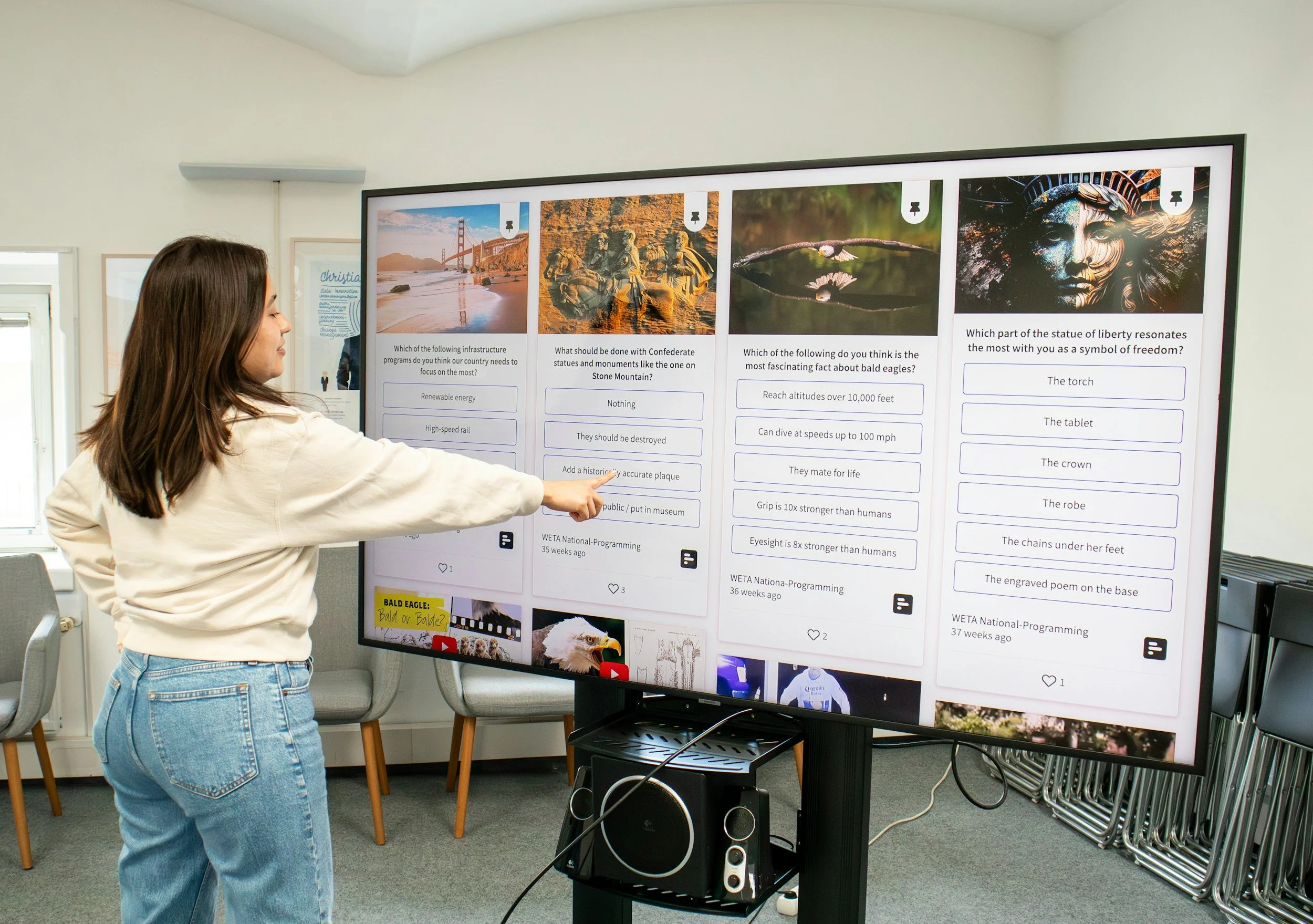
Week 1: Setting the Tech Tone
How to use your LMS landing page and first-day activities to clearly communicate your technology stack and expectations to students
The Challenge of Week One
The first week of any course sets the trajectory for the entire semester. In computing and technology courses, where students must navigate not only disciplinary content but also a complex technology stack, clarity from day one is a necessity. Research demonstrates that students' initial interactions with course technology significantly predict their subsequent engagement and success (Emelyanova & Voronina, 2014).
Evidence-Based Strategies
Create a Visual Technology Roadmap
Design your LMS landing page as an intentional onboarding experience rather than a repository. Cognitive load theory suggests that reducing extraneous cognitive load—the mental effort devoted to navigating unclear interfaces—frees working memory for learning the actual content (Sweller, 2011). Your landing page should:
Provide a clear visual hierarchy showing where students access different tools
Include short video walkthroughs (2-3 minutes maximum) of your technology stack
Offer a downloadable one-page reference guide students can keep accessible
Research on multimedia learning principles indicates that combining visual and verbal information enhances comprehension, particularly for complex procedural knowledge like navigating technical environments (Mayer, 2014).
The Technology Expectations Contract
Implement what instructional designers call an "expectations contract" during the first class session. Have students actively engage with each technology tool they'll use throughout the semester. This aligns with constructivist learning theory's emphasis on active knowledge construction rather than passive reception (Vygotsky, 1978).
A structured first-day activity might include:
Students posting a brief introduction in the discussion forum
Completing a low-stakes quiz to test the assessment platform
Submitting a simple file to familiarize themselves with the assignment submission system
Accessing the first week's content to verify all materials load properly
Innovative Trend: Leveraging LMS Analytics
Modern learning management systems offer sophisticated analytics dashboards that can transform how we support struggling students. Research on early alert systems demonstrates that interventions within the first two weeks of a course significantly improve retention and success rates (Arnold & Pistilli, 2012).
Implementing Analytics-Driven Interventions
Set up automated alerts or dedicate 15 minutes at the end of week one to review:
Students who haven't logged into the LMS
Students who haven't accessed the first week's content
Students who haven't completed the orientation activities
Macfadyen and Dawson's (2010) research on learning analytics found that online activity metrics in the first weeks of a course were the strongest predictors of final grades—even stronger than assessment scores. Early identification allows for proactive support rather than reactive remediation.
Practical Implementation
Send personalized, non-punitive outreach emails: "Hi [Student], I noticed you haven't logged into Canvas yet. I want to make sure you're aware of our first assignment due Friday. Is there anything preventing you from accessing the course materials? I'm here to help."
This approach embodies what Ladson-Billings (2014) describes as culturally responsive pedagogy—recognizing that students face diverse barriers to engagement and responding with support rather than assumption.
The Week One Payoff
By investing intentional effort in technological clarity during week one, you create what educational psychologists call "self-efficacy"—students' belief in their ability to succeed (Bandura, 1997). When students feel confident navigating the technology, they can focus cognitive resources on learning your discipline rather than fighting with unfamiliar platforms.
References
Arnold, K. E., & Pistilli, M. D. (2012). Course signals at Purdue: Using learning analytics to increase student success. Proceedings of the 2nd International Conference on Learning Analytics and Knowledge, 267-270. https://doi.org/10.1145/2330601.2330666
Bandura, A. (1997). Self-efficacy: The exercise of control. W.H. Freeman.
Emelyanova, N., & Voronina, E. (2014). Introducing a learning management system at a Russian university: Students' and teachers' perspectives. International Review of Research in Open and Distributed Learning, 15(1), 272-289. https://doi.org/10.19173/irrodl.v15i1.1701
Ladson-Billings, G. (2014). Culturally relevant pedagogy 2.0: a.k.a. the remix. Harvard Educational Review, 84(1), 74-84.
Macfadyen, L. P., & Dawson, S. (2010). Mining LMS data to develop an "early warning system" for educators: A proof of concept. Computers & Education, 54(2), 588-599. https://doi.org/10.1016/j.compedu.2009.09.008
Mayer, R. E. (2014). Cognitive theory of multimedia learning. In R. E. Mayer (Ed.), The Cambridge handbook of multimedia learning (2nd ed., pp. 43-71). Cambridge University Press.
Sweller, J. (2011). Cognitive load theory. Psychology of Learning and Motivation, 55, 37-76. https://doi.org/10.1016/B978-0-12-387691-1.00002-8
Vygotsky, L. S. (1978). Mind in society: The development of higher psychological processes. Harvard University Press.