Reflections on the SIGCSE TS 2026 Keynote: Love, Learning, and Computing Education
The Pipeline Isn't Neutral
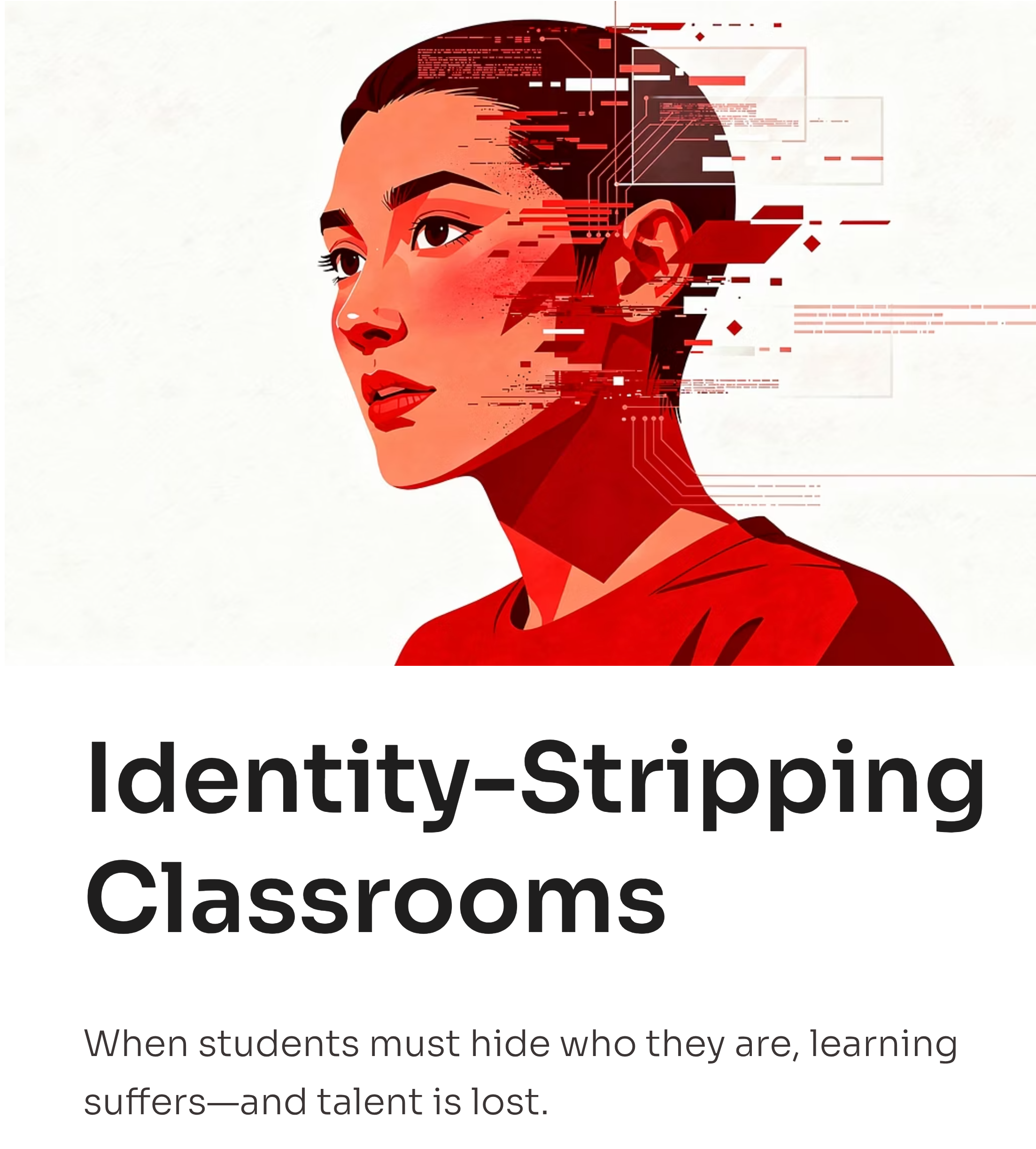
Traditional computing education often uses a "pipeline" metaphor, focusing on attracting and retaining students for technical careers. However, this approach overlooks crucial aspects like meaningful journeys, student belonging, and inclusivity. The keynote advocates for identity-affirming care in computing education. When students can fully engage, they contribute in ways that narrow, identity-stripping classrooms cannot foster.
"Whatever Love" in Practice
The keynote highlights practical examples of this philosophy:
Kapor Center's Culturally Responsive-Sustaining CS Education Framework: This framework redefines equity-centered computing, viewing students' cultural backgrounds as assets rather than obstacles.
Ricarose Roque's work on family and community-centered computing: Projects like Family Creative Learning demonstrate that designing for connection and joy opens computing to a broader audience, leading to a different kind of rigor.
Kylie Peppler's scholarship on tools and materials: Peppler's research shows that educational materials are not neutral; they carry cultural histories and implicit messages about belonging. Arts-integrated toolkits can broaden participation and improve learning outcomes.
Jayne Everson's ICER 2025 paper, Dreaming of Difference: This paper emphasizes student voice, revealing that secondary students desire distributed accountability, autonomy, community, and collaboration. They seek a redefined rigor that acknowledges their whole selves.
Mara Kirdani-Ryan's dissertation on Identity Fragmentation: This work addresses the feeling students have of needing to suppress parts of their identity to fit into CS, identifying it as an environmental issue, not a student problem.
Adrienne Gifford's work on language, culture, and CS classroom practice: Gifford's projects, such as Wordplay, illustrate how valuing students' linguistic and cultural identities as intellectual resources can transform research and teaching.
Implications for Learning Design
For those in computing education, the keynote prompts a critical self-assessment: Do our choices in courses, assessments, language, and tools affirm student belonging? This has direct implications for:
Authentic assessment in the age of generative AI: Process-oriented evaluation, portfolio work, and student involvement in assessment design are acts of dignity, valuing how students think, not just what they produce.
Faculty development: Educators must understand that their choices are not neutral; they either affirm or diminish students.
AI in education: The tools we integrate are not neutral actors. "Whatever love" demands interrogating their underlying assumptions before introducing them to students.
A Different Kind of Rigor
The keynote doesn't ask us to lower our standards. It asks us to raise them — to hold ourselves to a higher standard of care, design, and accountability to the people we serve.
What would it mean to design a CS course as an act of love? Not love as sentimentality, but love as Roque and Peppler and Everson and Gifford are practicing it: grounded in evidence, committed to dignity, willing to be uncomfortable in service of something better.
I think that's the question worth sitting with.
Want to explore these ideas further? Watch the full SIGCSE TS 2026 keynote on YouTube, and dig into the scholars cited: the Kapor Center's CS Education Framework, Ricarose Roque's work, Kylie Peppler's research, and Jayne Everson's ICER 2025 paper.